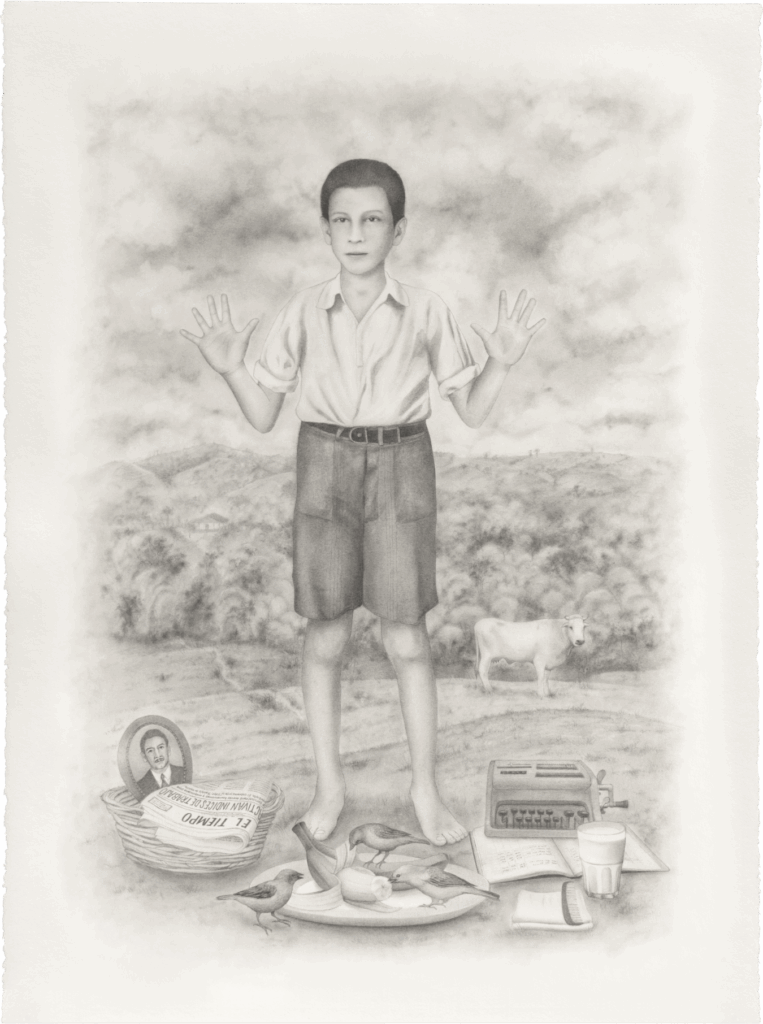
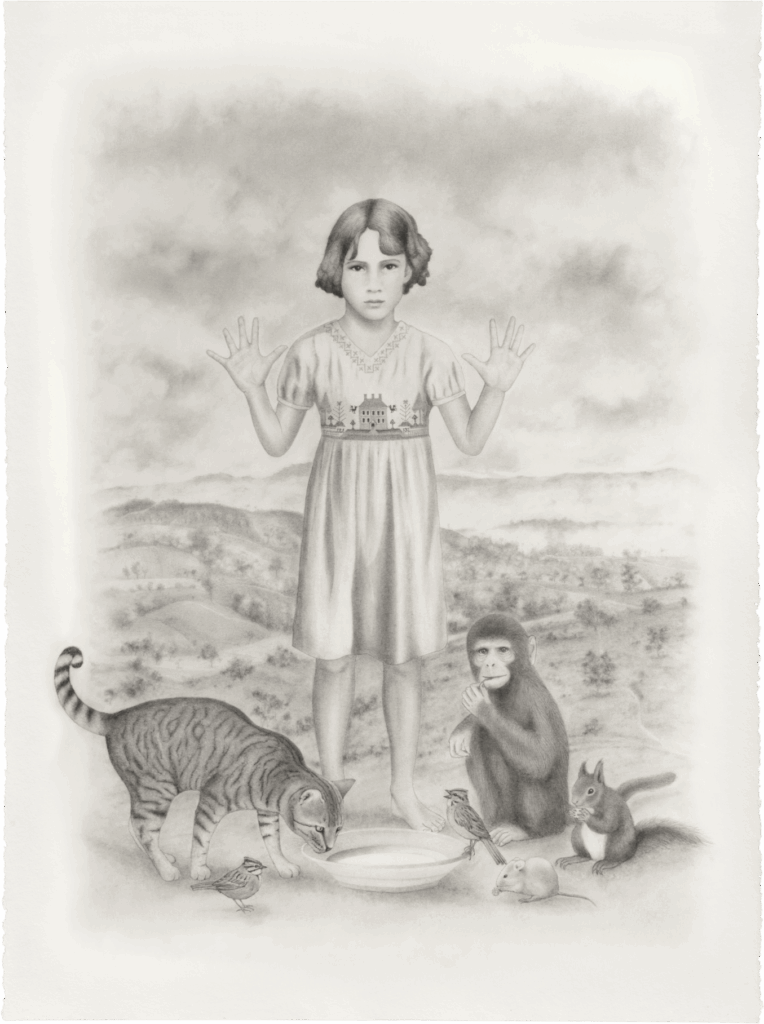
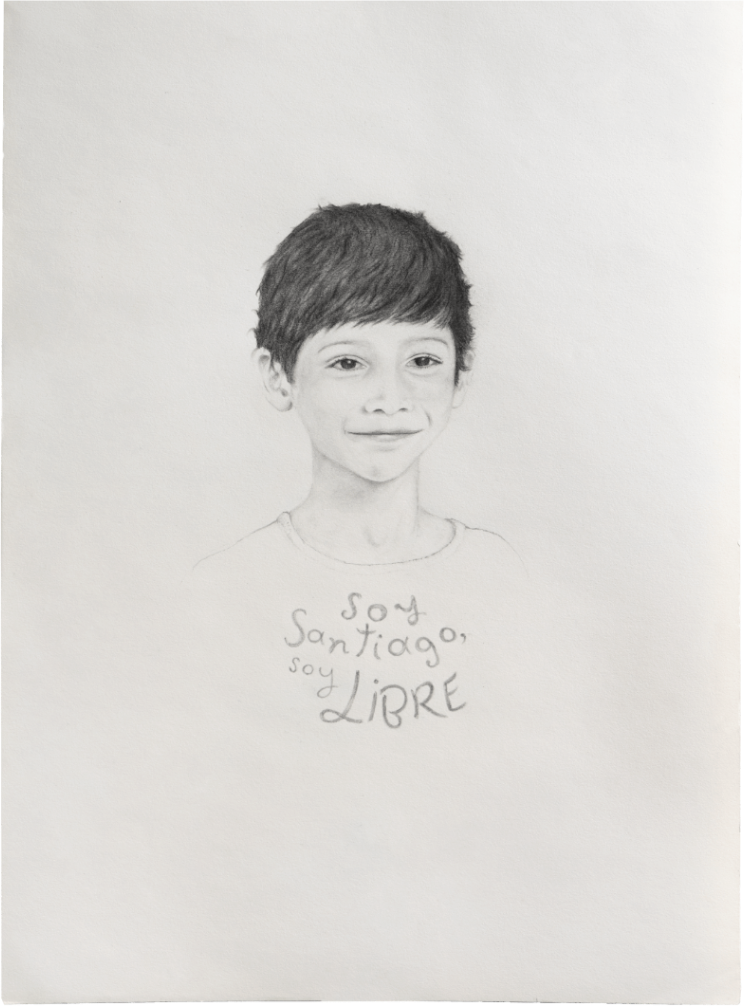
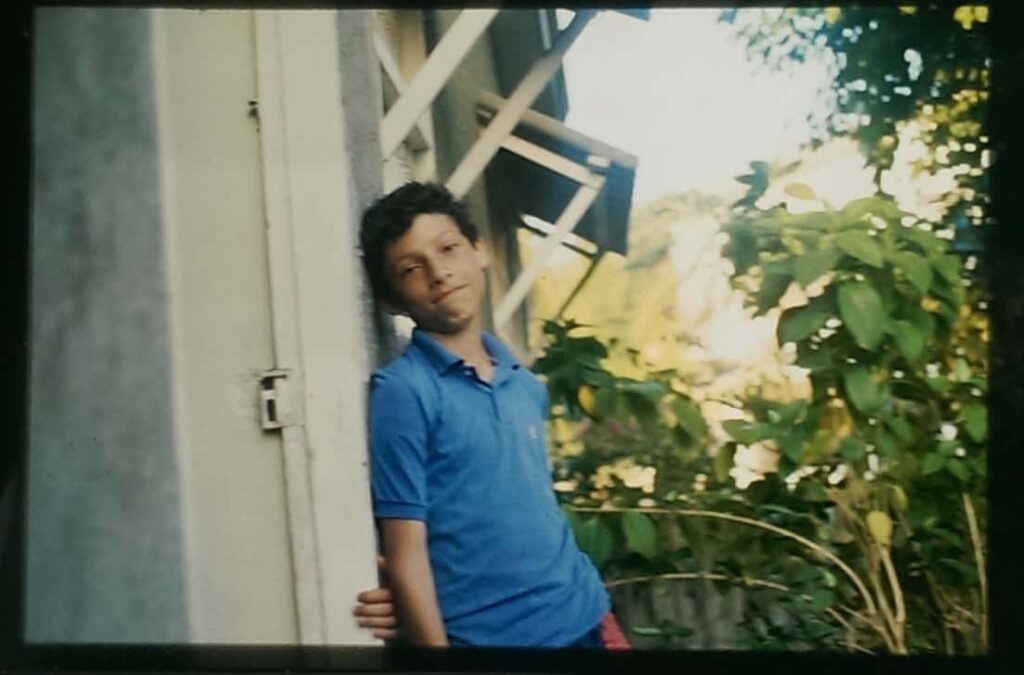
The Given Place is an ongoing body of work that explores drawing as a symbolic act, a practice that seeks to examine and transform our relationships through gestures of presence and intention.
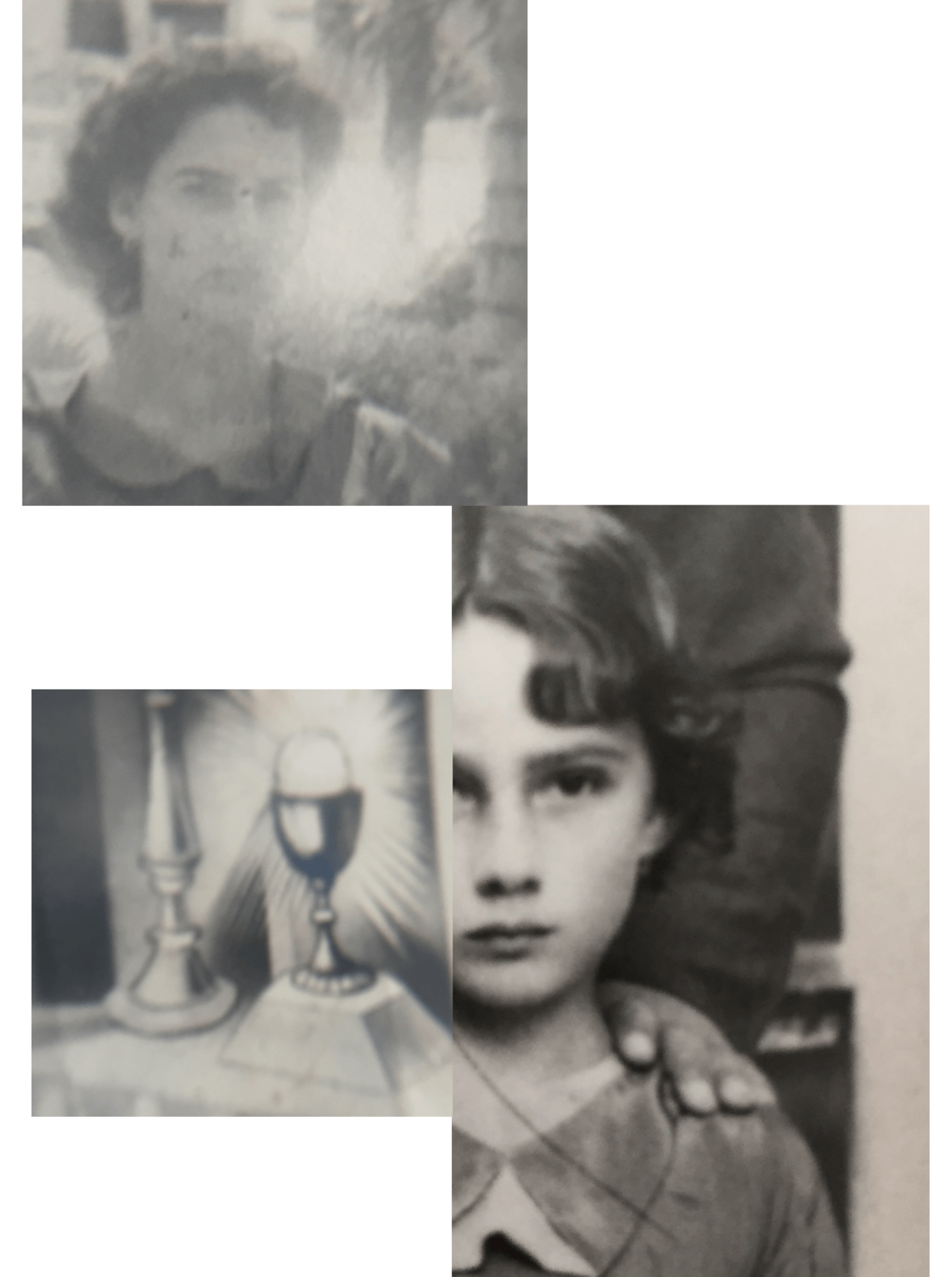
It began as a personal inquiry within the artist’s own relational fabric, using drawing as a way to establish new symbolic connections that move beyond memory. What started as an exploration of family ties evolved into a ritualized process, where the artist and his relatives are portrayed as archetypes. Each drawing becomes an instrument of quiet attention, opening space for a new kind of connection—not through narrative, but through the poetic force of form.
CUIDADOR DE SINSONTES
DRAWING AS A RITUAL PRACTICE
Drawing is approached as a meditative gesture—a somatic thread that links the hand, the breath, and subtle movement. The choice to work in black and white charcoal—a raw, elemental medium—responds to the need to move away from technical expectations and focus instead on what is felt, what is being communicated, and the intention behind the act.
Many of the figures in this universe are children. This is not a theme, but a conceptual strategy: to strip away constructed identities and place each figure in a shared state of vulnerability and potential.
niña madre
Symbolic elements serve as ritual components, placed with intention to activate a subconscious dialogue between the artist and the figure invoked.
Though the project began with drawing, it naturally extends to any non-verbal form of artistic expression that supports ritual intention. Whether through the inclusion of objects, spatial installations, or other forms that expand symbolic meaning, the essential focus remains on presence and intention.
The core premise of this work is to affirm art as a tool capable of accessing the subconscious and reorganizing our relationship with memory and identity.
While it originates from a personal process, The Given Place is evolving into a participatory and social tool. Tobón is translating this methodology into an open structure for collective exploration of relational experiences through drawing. These workshops also act as a form of research: the practice is enriched by the diversity of stories and outcomes that emerge within them.
At the heart of the ritual is the act of giving place. In life, we find ourselves—voluntarily or not—positioned within relational structures. This practice invites reflection on those positions and proposes a conscious reconfiguration. In this sense, drawing becomes a symbolic contract—an act of naming and of giving place.